
Introduction
Wildlife management is a critical component of sustainable environmental governance. Around the world, governments establish structured bodies to ensure that wildlife populations are managed responsibly, ethically, and in balance with human activity. In Norway, one of the most important institutions in this system is Viltnemnda.
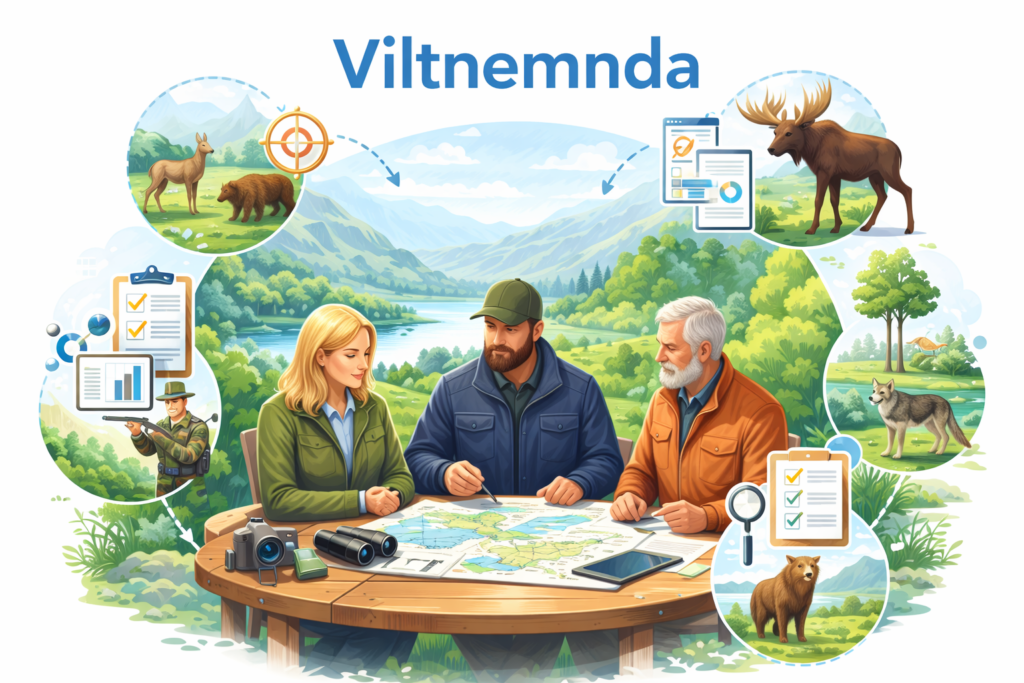
The keyword viltnemnda refers to a local wildlife management authority that plays a central role in regulating hunting, conserving wildlife populations, and maintaining ecological balance. These committees operate at the municipal level and act as a bridge between national wildlife policies and local implementation.
This article provides a comprehensive, extended, and SEO-focused explanation of Viltnemnda, its responsibilities, structure, legal authority, and importance in modern wildlife and environmental management.
What Is Viltnemnda?
Viltnemnda is a municipal wildlife management committee responsible for overseeing wildlife-related matters within a defined local area. These committees are typically appointed by local authorities and operate under national wildlife legislation.
The primary purpose of viltnemnda is to ensure that wildlife resources are managed in a sustainable, ethical, and science-based manner while balancing ecological needs with human interests such as agriculture, forestry, and hunting.
The Legal Foundation of Viltnemnda
National Wildlife Legislation
Viltnemnda operates within a structured legal framework established by national environmental and wildlife laws. These laws define:
-
Which species are protected
-
Which species can be hunted
-
Seasonal hunting regulations
-
Population control measures
Viltnemnda ensures that these laws are implemented correctly at the local level.
Municipal Authority and Responsibility
While national agencies set overarching policies, viltnemnda handles local decision-making, allowing wildlife management to reflect regional ecosystems, local population trends, and community needs.
Core Responsibilities of Viltnemnda
1. Wildlife Population Management
One of the most critical responsibilities of viltnemnda is monitoring and regulating wildlife populations. This includes:
-
Assessing population sizes
-
Evaluating habitat conditions
-
Recommending population adjustments
-
Preventing overpopulation or decline
Proper population control helps protect ecosystems and reduces conflicts between wildlife and humans.
2. Hunting Regulation and Oversight
Viltnemnda plays a direct role in hunting governance, including:
-
Reviewing hunting permits
-
Monitoring hunting quotas
-
Ensuring ethical hunting practices
-
Preventing illegal hunting
By enforcing regulations, viltnemnda helps maintain fair and sustainable hunting practices.
3. Human–Wildlife Conflict Management
Conflicts between wildlife and humans are a growing concern. Viltnemnda addresses issues such as:
-
Crop damage
-
Livestock predation
-
Wildlife entering residential areas
-
Public safety risks
Through controlled interventions, viltnemnda helps reduce economic loss while protecting wildlife.
4. Advisory Role to Local Government
Viltnemnda acts as an expert advisory body, providing guidance to municipal authorities on wildlife-related planning and development.
This includes:
-
Infrastructure projects
-
Land-use planning
-
Environmental impact assessments
Structure and Composition of Viltnemnda
Committee Membership
A typical viltnemnda consists of members appointed by the local municipality. These members often include individuals with backgrounds in:
-
Environmental science
-
Forestry
-
Agriculture
-
Hunting and wildlife conservation
This diversity ensures balanced decision-making.
Decision-Making Process
Viltnemnda operates through structured meetings, data review, and collaboration with wildlife experts. Decisions are based on:
-
Scientific data
-
Field observations
-
National guidelines
-
Local environmental conditions
Importance of Viltnemnda in Environmental Sustainability
Ecosystem Balance
Healthy ecosystems depend on balanced wildlife populations. Overpopulation can damage habitats, while population decline threatens biodiversity. Viltnemnda plays a key role in maintaining this balance.
Biodiversity Protection
Through controlled hunting and habitat preservation, viltnemnda contributes to long-term biodiversity conservation, ensuring that species thrive across generations.
Climate and Environmental Adaptation
Changing climate conditions affect wildlife behavior and migration patterns. Viltnemnda adapts local management strategies to address these environmental shifts.
Viltnemnda and Ethical Wildlife Management
Ethics are central to modern wildlife governance. Viltnemnda ensures:
-
Humane treatment of animals
-
Ethical hunting standards
-
Respect for protected species
-
Responsible population control
This ethical approach strengthens public trust in wildlife institutions.
Data Collection and Monitoring
Accurate data is essential for effective wildlife management. Viltnemnda relies on:
-
Field surveys
-
Hunter reports
-
Population tracking
-
Habitat assessments
This data supports evidence-based decisions and long-term planning.
Challenges Faced by Viltnemnda
Urban Expansion
As urban areas expand, wildlife habitats shrink. Viltnemnda must navigate increasing pressure on natural ecosystems while supporting development needs.
Public Awareness and Perception
Balancing conservation goals with public opinion can be challenging. Education and transparency are key tools used by viltnemnda.
Resource Limitations
Like many public institutions, viltnemnda may face budgetary and staffing constraints that require efficient prioritization.
Viltnemnda’s Role in Modern Wildlife Governance
In today’s world, wildlife management requires local expertise, community involvement, and adaptive strategies. Viltnemnda represents a model of decentralized governance where decisions are informed by real-world local conditions.
This approach ensures:
-
Faster response times
-
Better local compliance
-
Improved environmental outcomes
SEO Value of the Keyword “Viltnemnda”
From an SEO perspective, viltnemnda is a highly specific informational keyword. It attracts users seeking:
-
Wildlife governance information
-
Environmental policy understanding
-
Hunting regulation details
-
Local authority roles
Content built around this keyword establishes authority, credibility, and educational value.
Future Outlook of Viltnemnda
As environmental challenges increase, the role of viltnemnda will continue to evolve. Future focus areas may include:
-
Digital wildlife tracking
-
Climate-responsive management
-
Stronger community engagement
-
Enhanced conservation strategies
Viltnemnda will remain a cornerstone of sustainable wildlife governance.
Conclusion
Viltnemnda represents a vital link between national wildlife policy and local environmental stewardship. Through responsible population management, ethical hunting oversight, and ecosystem protection, viltnemnda plays a crucial role in preserving wildlife for future generations.
Its localized, data-driven, and ethical approach makes it an essential institution in modern environmental governance.